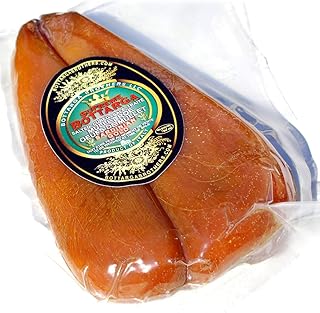
Often referred to as "Sardinian Gold," Bottarga is one of Italy's most cherished and ancient gourmet treasures. This salted, cured fish roe, with its deep umami flavor and complex briny notes, has been a staple of Mediterranean cuisine for centuries, particularly in Sardinia and Sicily. More than just a condiment, it's a piece of culinary history, a testament to preservation techniques passed down through generations. Whether you're a seasoned gourmand or a curious home cook, understanding Bottarga opens up a world of sophisticated flavor.
What Exactly is Bottarga?
At its core, Bottarga is the roe sac of grey mullet (muggine) or bluefin tuna, which is salted, pressed, and air-dried until it achieves a firm, waxy texture. The process concentrates the flavors, transforming the roe into a hard block that can be grated or thinly sliced. The result is an ingredient of astonishing depth—salty, briny, slightly sweet, and packed with the savory fifth taste known as umami. It's often compared to caviar, but its uses are more versatile, acting as a seasoning rather than a standalone dish.
The Two Kings: Grey Mullet vs. Tuna Bottarga
The most traditional and widely celebrated type is Bottarga di Muggine, or grey mullet roe. Hailing from regions like Cabras in Sardinia, it's known for its balanced, nuanced flavor that isn't overly fishy. Products like the Bottarga Di Muggine from L'Oro di Cabras or the Sanniti Bottarga Cured Mullet Roe exemplify this classic style. On the other hand, Tuna Bottarga, like the Sicilian Grated Bluefin Tuna Bottarga, offers a stronger, more robust flavor and a darker color, prized in Sicilian cuisine.
Whole vs. Grated: Choosing Your Format
Bottarga comes in two main forms, each with its advantages. A whole lobe is the traditional presentation—a beautiful, amber-hued block that allows you to control the grating or slicing. It's perfect for those who want authenticity and versatility. Options like the Smeralda Italian Whole Bottarga or various sizes of "Sardinian Gold" Authentic Bottarga (available in 3oz, 3.5oz, 5oz, and 6.3oz units) are excellent choices. For ultimate convenience, pre-grated Bottarga is a kitchen savior. Jars like Sardinian Grated Bottarga or Le Mareviglie Grated Bottarga let you sprinkle the magic directly onto your dishes without any fuss.
Unlocking the Flavor: How to Use Bottarga
The beauty of Bottarga lies in its transformative power. A little goes a very long way. The simplest and most iconic use is grated over a plate of spaghetti aglio e olio or spaghetti alle vongole. The heat of the pasta gently melts the grated roe, creating a creamy, savory sauce. It's also phenomenal shaved over scrambled eggs, blended into butter for a compound butter, or sprinkled over fresh salads, grilled vegetables, and crostini. For a deep dive into techniques, check out our complete guide to using grated Bottarga.
Why It's a Gourmet Pantry Essential
Incorporating Bottarga into your kitchen elevates everyday meals with minimal effort. It's a pure, natural ingredient—often just roe and salt—that delivers a punch of flavor unmatched by processed seasonings. For those seeking Kosher options, the "Sardinian Gold" Kosher-certified Bottarga provides the same quality. As a gourmet ingredient, it stores beautifully in a cool, dark place, making it a reliable pantry staple for impromptu culinary brilliance.
From its sun-drenched origins in Sardinia to its status as a global Italian delicacy, Bottarga is more than food; it's an experience. Its rich, savory essence encapsulates the taste of the Mediterranean sea. To explore the full history, types, and culinary applications, we invite you to read our comprehensive Ultimate Guide to Bottarga. Discover why this Sardinian Bottarga truly deserves its nickname as culinary gold.